
Custom Sandstone Retaining Wall Builders Rockhampton
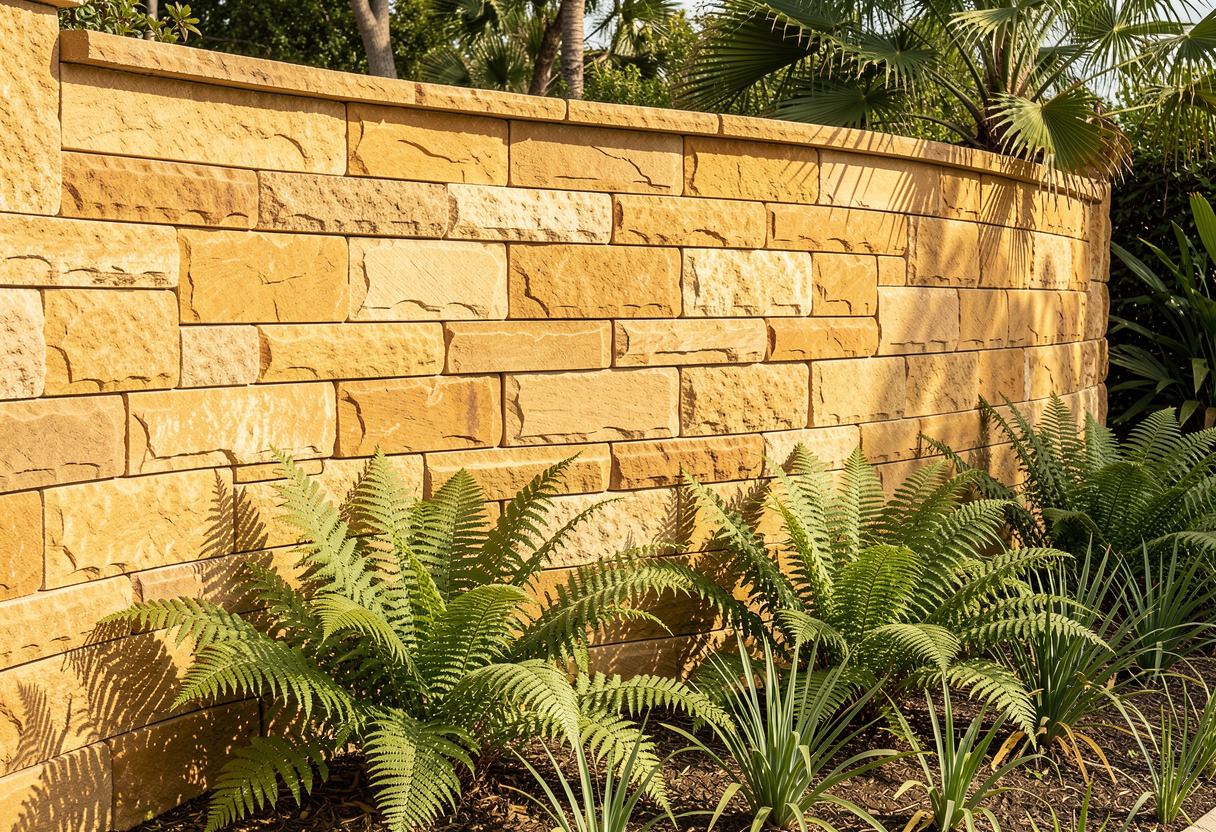
When you’re after a retaining wall that’ll still look beautiful in 50 years time, sandstone is what you want. Here in Rockhampton, we’ve been building premium sandstone retaining walls for properties across Norman Gardens, The Range, Frenchville, and throughout Central Queensland. These walls aren’t just functional – they’re an investment in timeless natural beauty that actually gets better with age. Every single wall we build is unique because that’s the nature of working with authentic Australian stone. You won’t find two identical walls, which is exactly what makes sandstone so special for heritage homes and prestige properties.
While other materials might look good for a few years, sandstone stays stunning through Rockhampton’s extreme heat, wet season downpours, and everything else our climate throws at it. That’s why you see sandstone walls on the finest properties around town – it’s a statement that says you value quality, authenticity, and lasting craftsmanship.

Premium Grade Sandstone
Premium grade gives you consistent color throughout each block, minimal natural flaws, and the most predictable appearance. When you’re building a prominent feature wall or working on a prestige property where appearance is everything, premium grade is worth the 20-30% cost increase.
Standard Grade Quality
Most residential projects use standard grade perfectly well. You’ll get natural color variations and occasional character marks, but that’s part of sandstone’s authentic appeal. Standard grade offers excellent value while still delivering that genuine stone aesthetic.
Rustic Character Grade
Rustic grade embraces all of sandstone’s natural variations – color changes, texture differences, and character features. For informal gardens and natural bush aesthetics, rustic grade actually looks better than perfectly uniform stone. Plus you’re getting premium material at more economical pricing.
Maintenance and Long-Term Care
Sealing is Essential Protection: Penetrating sealers protect sandstone from moisture and stains, enhance natural color, and must be reapplied every 3–5 years in Rockhampton’s tropical climate.
Regular Cleaning Schedule: Annual low-pressure washing removes algae and moss, keeps weep holes clear, and checks for loose stones after wet-season storms to prevent small issues from worsening.
Inspection and Monitoring: Annual visual inspections, especially after cyclones or severe storms, help detect movement, mortar deterioration, or drainage problems early, saving on costly repairs.
Long-Term Restoration Work: Mortar may need repointing every 20–30 years, and damaged stones can be replaced individually. Keeping up with sealing and professional assessments every 5–10 years ensures the wall’s longevity.
Sandstone Compared to Other Materials
Sandstone vs Concrete Sleepers
Sandstone brings premium natural aesthetics while concrete offers modern clean lines. Sandstone costs 30-40% more initially. Sandstone requires sealing maintenance every few years, concrete needs virtually zero maintenance. Sandstone is naturally unique, concrete is uniform. Both deliver 50+ year lifespan.
Sandstone vs Timber Sleepers
Sandstone is permanent lasting 50-100 years, timber lasts 15-20 years maximum. Sandstone has higher upfront cost, timber is cheaper initially but requires replacement. Sandstone is completely termite-proof, timber is vulnerable. Sandstone needs minimal ongoing maintenance, timber demands regular treatment and eventual replacement.
Construction Methods for Sandstone Walls
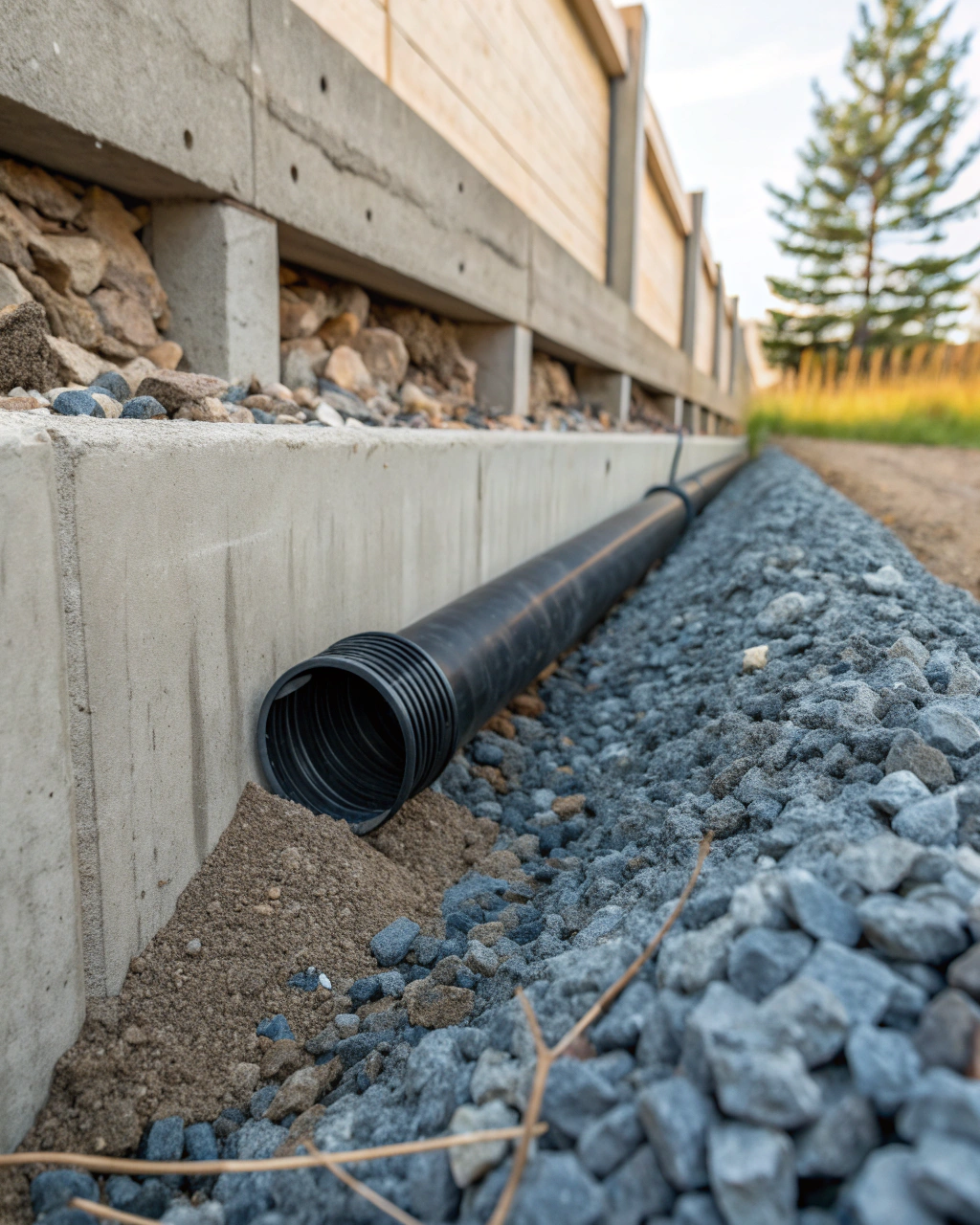
Dry Stack Mortarless Construction: Dry stacking means building without mortar between the stones, relying on precise fitting and gravity. This creates a natural, rustic appearance with visible joints that allow drainage. It’s traditional craftsmanship that’s been used for centuries, but requires real skill to achieve stability and longevity.
Mortared Construction Method: Mortared walls use cement between each course for maximum strength and a more formal, structured appearance. This method’s better for taller walls and situations requiring absolute stability. You’ll need weep holes for drainage since water can’t pass through the mortared joints naturally.
Hybrid Construction Approach: Hybrid combines mortar between stone courses for strength while leaving the visible face looking dry-stacked. You get structural integrity where it matters but maintain that natural aesthetic on the wall face. This is common for taller residential walls needing both strength and beauty.
Rockhampton Climate and Soil Considerations
Material Sourcing in Queensland: Local Australian sandstone offers reliable quality and authentic aesthetics, making it a worthwhile choice despite transport costs.
Heat Performance in Summer: Light sandstone stays cooler in Rockhampton’s 32–38°C heat, while darker tones absorb more warmth but provide striking visual appeal.
Wet Season Durability Requirements: Because sandstone is porous, proper sealing and drainage are essential to handle heavy November–March rainfall and ensure 50–100 years of performance.
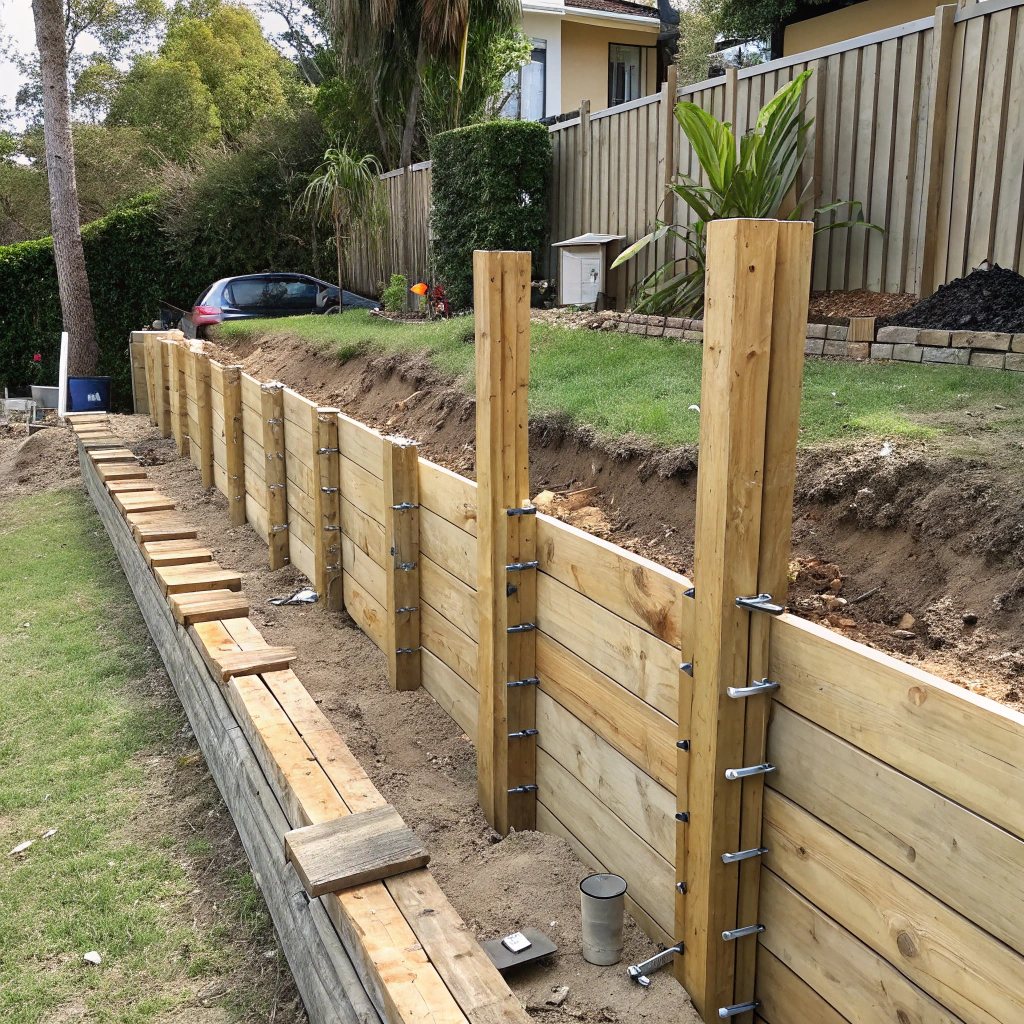
Red Clay Foundation Challenges: Reactive red clay soils require deep, engineered concrete footings and strong drainage to prevent movement and maintain long-term stability.
Design Applications for Your Property
Formal Garden Walls
Mortared construction with dressed stone creates geometric layouts and sharp lines perfect for heritage homes. Honey or cream colored sandstone complements traditional Queenslander architecture beautifully. These formal walls bring structure and elegance to established properties throughout The Range and Norman Gardens.
Natural Bush Wall Aesthetics
Dry-stacked irregular stones in brown and tan earth tones create flowing, curved lines that integrate seamlessly with native gardens. This rustic, informal appearance suits properties wanting that authentic Central Queensland bush aesthetic where the wall looks like part of the natural landscape.
Terraced Landscaping Solutions
Multiple sandstone walls creating level tiers work brilliantly on sloped blocks common around The Range. Terracing transforms unusable steep ground into functional garden beds and entertaining spaces. Each tier becomes a distinct garden zone while the sandstone ties everything together with timeless natural beauty.
Feature Wall Statements
When you want a focal point that commands attention, sandstone feature walls deliver architectural impact. Premium stone grades, enhanced lighting, integrated seating or planters – these walls become the hero element of your landscape design while still providing functional retaining capabilities.
Frequently Asked Questions About Sandstone Retaining Walls
Can you add onto or extend a sandstone wall years later if I want to expand my garden?
Absolutely, and that’s one of sandstone’s big advantages over poured concrete. We can match your existing stone color and style pretty closely, though natural stone always has slight variations which actually adds to the character. The key is making sure the new foundation ties in properly with the existing footings, which we assess during the initial site visit. Most of our Norman Gardens and Frenchville clients do their landscaping in stages over a few years, and sandstone makes that easy.
Will Rockhampton's intense sun fade my sandstone over time?
Not really – sandstone’s been sitting in the Australian sun for millions of years already, so a few more decades doesn’t phase it. What you might notice is the surface weathering slightly, which most property owners actually prefer because it develops that authentic aged character. The honey gold and cream tones we install around The Range and Berserker look even better after 10-20 years of weathering. Keep up with sealing every 3-5 years and your stone will maintain its color beautifully through our harsh summers.
How do I know when my sandstone wall needs resealing?
Easy test – splash some water on the stone and watch what happens. If water beads up and rolls off, your sealer’s still working. If the stone darkens and absorbs water quickly, it’s time to reseal. Here in Rockhampton’s climate, I tell property owners to check this every wet season because our humidity and heavy rains break down sealers faster than they would down in Brisbane or Sydney.
Can tree roots from my established gums or figs damage sandstone retaining walls?
Tree roots definitely cause problems if they’re too close, but sandstone handles them better than timber sleepers which roots tear apart. We recommend keeping large trees at least 3-4 meters away from your wall, which is tough on established blocks in suburbs like Norman Gardens where mature trees are everywhere. If you’ve got an existing tree you can’t remove, we can design the drainage system and footings to minimize root interference, though it’s not ideal long-term.
Is sandstone slippery when wet during our November to March wet season?
The wall face itself isn’t really a slip hazard unless you’re rock climbing it, but sandstone capping stones can get slippery when wet. Natural split face and rock pitched finishes provide more grip than smooth sawn finishes. If you’re planning sandstone steps or capping you’ll sit on, we can specify textured finishes or anti-slip treatments that handle our wet season downpours safely while maintaining that premium natural appearance.
Can I install sandstone walls myself to save money on labor costs?
I’ve seen plenty of DIY attempts over the years, and honestly most don’t turn out well because getting foundations and drainage right requires specific knowledge and equipment. Plus sandstone blocks are heavy – the standard 400x200x200mm blocks weigh about 40kg each, which is backbreaking work in Rockhampton’s heat. Council requires engineering certification for walls over 1000mm anyway, which means you’re hiring professionals regardless. The money you’d save on labor gets eaten up by mistakes, and you’re stuck with a wall that might fail during wet season if drainage isn’t perfect.
